
Nottingham City Council has adopted a new Disabled Facilities Grant (DFG) Policy that will provide greater financial support to enable people to adapt their homes so they can live more safely and independently.
Disabled Facilities Grants help cover the cost of essential home adaptations for older people and disabled people of all ages, helping them to remain well, avoid unnecessary hospital stays and continue living in their own homes for as long as possible.
The grant is available to people who own their home, rent privately or rent from a housing association. All applications are subject to eligibility criteria, a financial means test – as the grant is aimed at low-income households, and an assessment of need carried out by an occupational therapist.
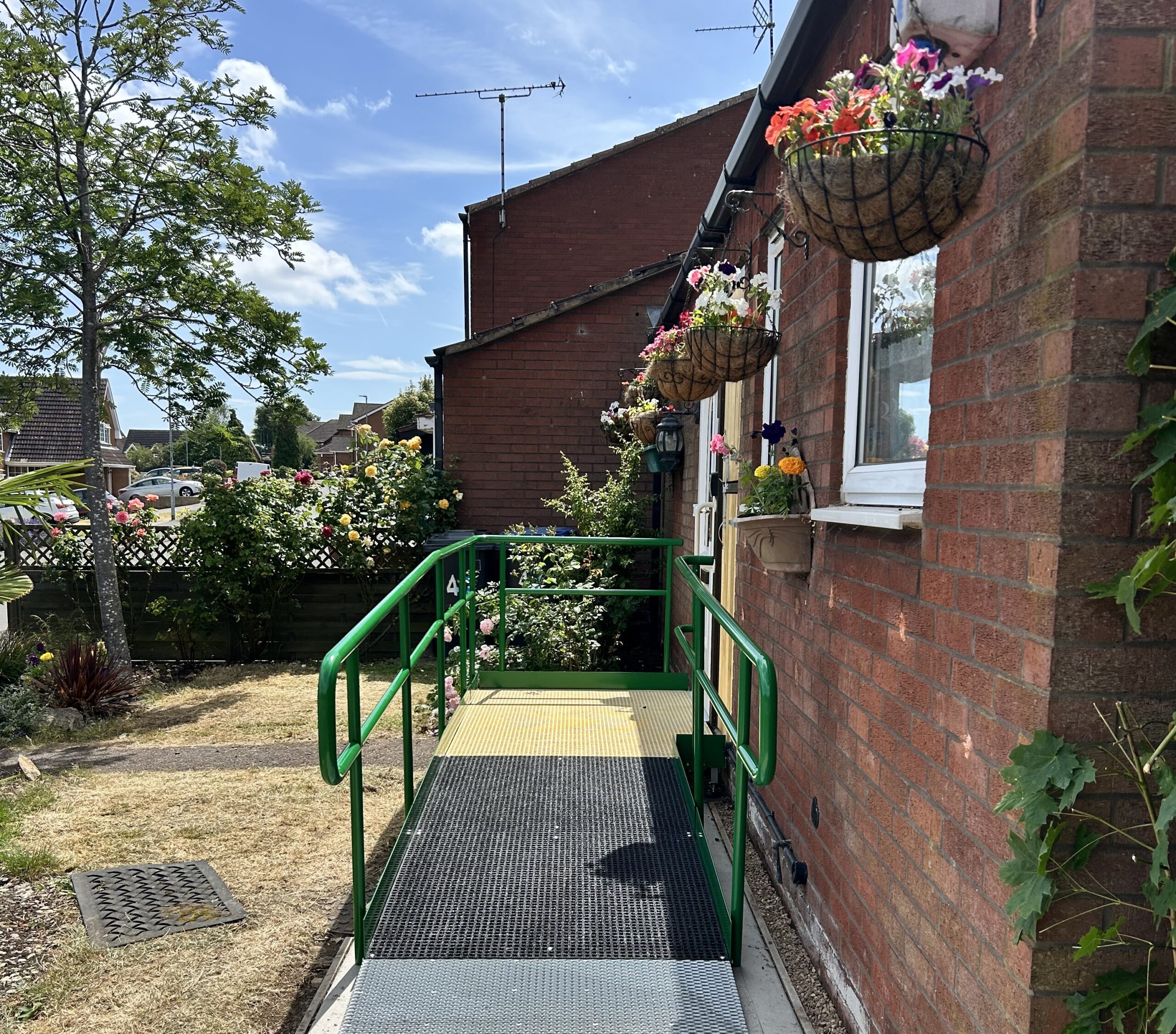
Adaptations funded through the DFG can include modifications to homes such as installing stairlifts, creating level‑access showers or wet rooms, and providing access to and around people’s homes.
The policy has been developed following a public consultation on a number of proposed changes. Residents, carers, partners and other stakeholders provided valuable feedback, which helped shape the final policy and ensure it reflects local needs and priorities.
How the new policy will help residents
The new policy covers a range of improvements to make home adaptations more accessible and affordable for Nottingham residents.
Under the policy:
- The maximum Disabled Facilities Grant has increased to £50,000, helping to cover the rising cost of adaptations.
- Many residents will pay less towards their adaptation costs, as the Council will disregard the first £10,000 of any assessed contribution.
- Residents whose needs cannot be met through adaptations alone may be eligible for a Relocation Grant, providing support to move to a more suitable home.
- Additional funding may be available for children living across two households, ensuring necessary adaptations can be provided in both homes where appropriate.
- A Decent Homes for Disabled People Grant of up to £10,000 may be available to fund essential repairs needed before adaptation works can be carried out.
- The repayment threshold for certain grants has increased to £10,000, providing greater protection for residents.
All these discretionary grants are subject to an assessment of need and the availability of funding. The Council reserves the right not to approve discretionary funding if funding is required to meet its mandatory DFG commitments.
Councillor Helen Kalsi, Executive Member for Adult Social Care and Health, said: “Disabled Facilities Grants are essential to facilitating older and disabled people to live safely, independently and with dignity in their own homes. This new policy reflects the real pressures people face today and makes best use of the flexibility available to us as a council as to how we allocate this grant.
“By modernising grant limits, removing some of the financial barriers that can delay or prevent access to essential adaptations, and introducing greater flexibility where there is clear local need, we want to ensure support reaches people at the right time. Earlier intervention can make a huge difference — helping to prevent deconditioning, , avoid unnecessary hospital admissions and reduce the need for more costly care further down the line.
“Ultimately, these changes will help more residents stay safe and independent at home, improve their quality of life and reduce the need for more intensive support in the future.”
Residents who already have an application in progress will not be disadvantaged. Existing applications and approved works will continue as planned and will be able to benefit from the more generous elements of the new policy.