
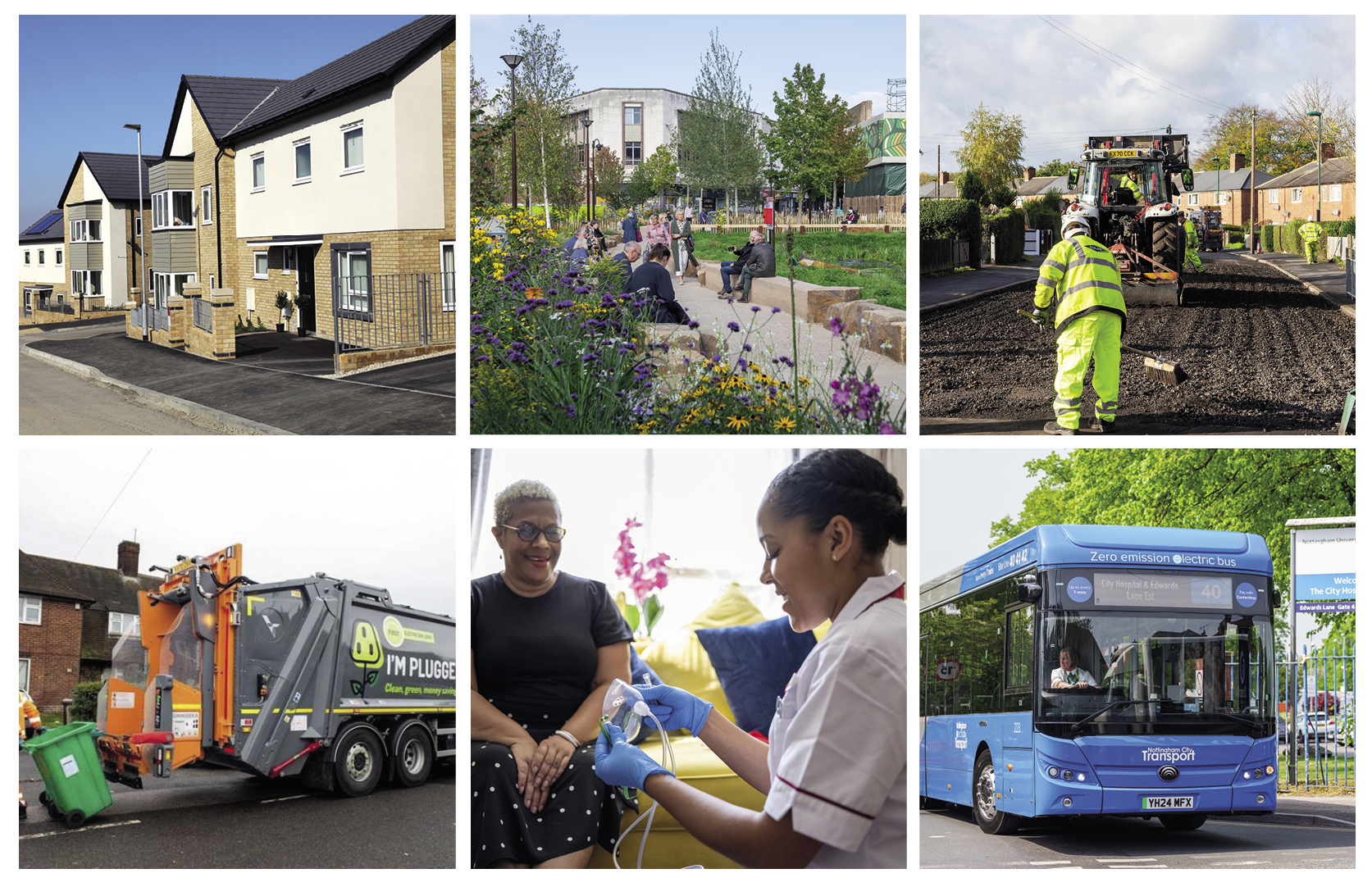
An extra £25 million will be spent on front-line services as part of Nottingham City Council’s Budget for 2026/27 which was given final approval by councillors on 2 March.
Street cleaning, neighbourhood safety, roads, parks and provision for young people are all set to benefit from the additional investment while an increase in the council element of the Council Tax has been limited to 3.5%.
The city increase is lower than that set by Nottinghamshire County Council and also the maximum 4.99% increase allowed by Government which many other councils across the country have opted for.
Deputy Leader, Councillor Ethan Radford, highlighted how additional funding from the Government as well as the Council having a firmer grip on its finances has had positive impact on this year’s budget.
“Through the £25m of additional funding in this budget, we are planning to invest in things that will make a tangible difference to people in Nottingham, from neighbourhood safety to free bulky waste collections; from parks to roads; from welfare rights to enhanced youth provision; and from free swimming for under 16s to apprenticeships.
“While initially requesting permission from government for £101m of Exceptional Financial Support, we have only used around £25m and have no further need of it.
“Since 2020 we have reduced our general fund debt by £534m, or 64%, a steadily managed reduction while we have a healthy level of reserves to safeguard services and protect them from unforeseen challenges.
“On Council tax, the increase we are proposing of 3.5% is the lowest in 18 years. The budget was initially based on the assumption of the maximum increase allowed of 4.99%, but thanks to the fairer funding settlement from the Labour Government, we have avoided this.
“While the cost of bills increases for household budgets, so too do the cost of bills increase for the Council. To keep up with these rising costs the Council must be responsible and set a tax rate that enables us to continue to provide and invest in our services.”
The budget includes a capital programme of spending on roads, housing, regeneration, and infrastructure projects totalling £744.7 million up to 2029/30, an increase of £35.6m with the extra investment coming from capital receipts, reserves, and grants and no new borrowing.
The Housing Revenue Account (HRA), a separate ring-fenced budget relating to the Council’s role as a social landlord, includes an extra £6 million for repairs and maintenance to improve housing quality and meet new legal standards.
Efficiency savings of £22 million are planned over the period of the Medium-Term Financial Plan. In meeting its Best Value duties, the Council will be introducing further efficiency savings likely to exceed £50 million over the latter part of the MTFP thus creating a fully balanced financial position over the full medium term. Full financial sustainability will be demonstrated and Nottingham will consolidate its position as one of the UK core cities’ best financial performers.