
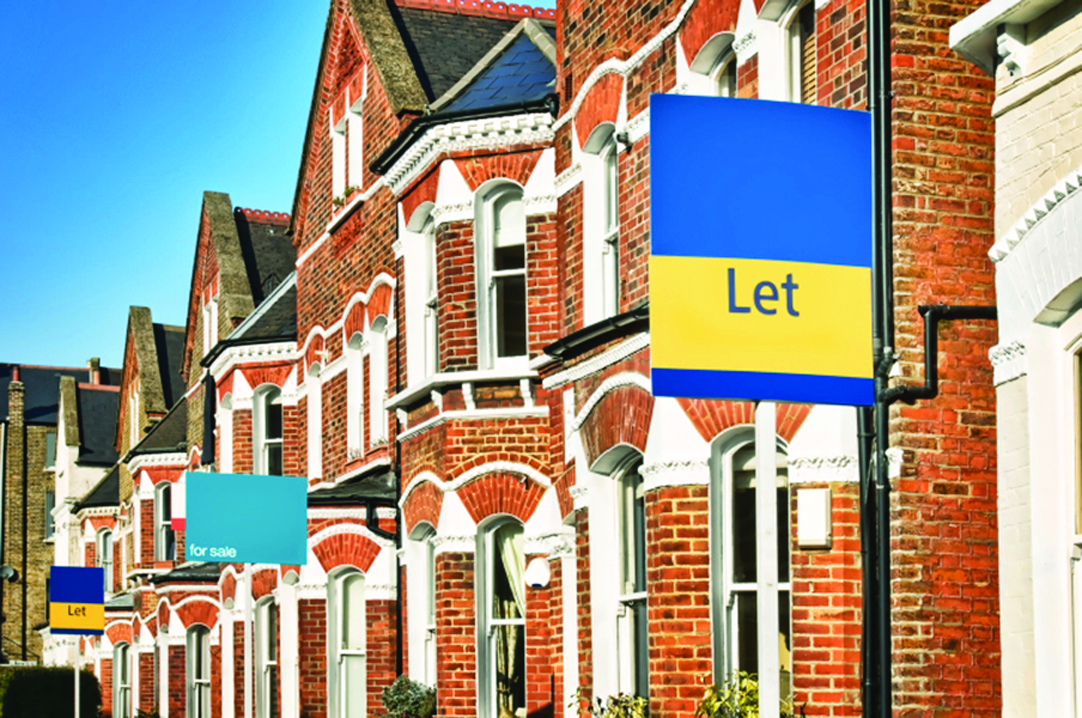
Nottingham City Council has published the first ever Social Impact and Social Return on Investment report into housing licensing in the private rented sector, setting a new benchmark for how the benefits of licensing are measured and understood.
The independent study assesses the impact of Nottingham’s private rented housing licensing schemes over five years (2020–2024) and shows that an investment of £24.9 million generated £114.9 million in social value – equivalent to £4.62 returned for every £1 invested.
The report demonstrates how licensing is delivering safer, warmer homes for renters, raising standards among landlords, improving neighbourhoods, and reducing pressure on public services including the NHS, police, and fire services.
Key findings include:
• £91 million of social value created through improving renters’ health, safety, and wellbeing
• More than 14,500 renters benefiting directly from improvements to their homes
• Over 7,400 unlicensed landlords brought into compliance, creating a level playing field
• 36% of landlords reporting improved knowledge of their responsibilities
• Major reductions in anti-social behaviour (48%) and waste complaints (45%) in licensed areas
• Reduced pressure on public services, including avoided fires, NHS savings, and carbon reduction benefits
In a foreword to the report, Councillor Jay Hayes, Nottingham City Council’s Executive Member for Housing & Planning, said: “A safe, secure, and affordable home is the foundation on which people build their lives. It underpins health, wellbeing, education, employment, and community life. For almost a third of Nottingham’s residents, that home is in the private rented sector.
“This report marks an important moment for Nottingham, and for housing policy more widely. It is the first time in England that the social impact of private rented housing licensing has been measured using a Social Return on Investment approach. In doing so, it moves the debate beyond whether licensing works, to what difference it truly makes.
“The findings are striking. Over five years, housing licensing in Nottingham generated nearly £115 million in social value, improving lives, strengthening neighbourhoods, and reducing pressure on vital public services. Every £1 invested delivered £4.62 in value back to the city. These figures represent warmer homes, safer buildings, fewer hazards, and greater peace of mind for thousands of residents.
“This report also provides important insight for landlords. Many already strive to do the right thing, and the evidence shows that licensing supports these efforts through clearer standards, better guidance, access to training and accreditation, and greater confidence that poor practice is identified and addressed.
“Licensing in Nottingham combines enforcement with engagement and works best in partnership with landlords, renters, emergency services, universities, and community organisations. Inspections and intelligence allow risks to be identified early, safeguarding concerns to be addressed, and problems to be resolved before they escalate.
“Nottingham is proud to be leading the way with a report that is already informing national discussions. Ultimately, this evaluation shows that housing licensing is not just a regulatory tool, but a long-term investment in people, communities, and the future of our city.
The report has already attracted interest at national level and provides valuable insight into how housing regulation can be evaluated more meaningfully across England.
Councillor Hayes added: “This report tells a powerful story about what housing licensing actually delivers on the ground. It shows that good landlords are supported, renters are better protected, and neighbourhoods are stronger and safer as a result. What makes this report unique is that it moves the conversation beyond cost, and instead focuses on value – value for residents, for responsible landlords, for partners, and for the city as a whole.”